

The best things to do in Cairo in 2027 include exploring the Pyramids of Giza and Great Sphinx, visiting the Grand Egyptian Museum, browsing Khan el-Khalili, discovering historic Islamic and Coptic Cairo and sailing along the Nile. Plan at least three full days to experience Egypt’s capital, with an extra day for Saqqara, Memphis and Dahshur.
Cairo, Egypt, is a city where ancient monuments, historic neighborhoods, busy streets and modern museums meet the Nile River. As a New Yorker who loves traveling, I appreciate the excitement of a city with so many different experiences. This Cairo travel guide helps you plan a memorable trip without paying for every optional activity.
Disclosure: This article contains optional affiliate links. We may earn a commission from qualifying bookings at no additional cost to you. Ticket prices are late-2026 benchmarks unless otherwise stated; check official prices for 2027.
Top 15 Cairo attractions at a glance
1. Explore the Pyramids of Giza

Admission: Paid archaeological site · Plan for: 3–4 hours
Open in Google Maps ↗ · Official visitor information ↗
The pyramids are the defining experience of a first visit to Cairo. Located west of the Nile in Giza, they were built as royal tombs for the Fourth Dynasty pharaohs Khufu, Khafre and Menkaure. The Great Pyramid of Khufu is the surviving ancient Wonder of the World. Take time to appreciate the scale of the stone structures and the immense history of the plateau.
Planning tip: The official ticket site lists standard adult entry at EGP 700 as of late 2026; separate interior tickets and other admission categories may apply. Confirm 2027 prices, access arrangements and opening hours before visiting. Bring water and sun protection.
Alex’s budget tip: Choose the general site ticket if you mainly want the exterior views, and add an interior only if you are comfortable in narrow enclosed spaces.
2. See the Great Sphinx

Admission: Included in general Giza site access; confirm · Plan for: 30–60 minutes
Open in Google Maps ↗ · Official visitor information ↗
The Great Sphinx is a monumental limestone sculpture combining a lion’s body with a human head. Its position near the valley temple and pyramids makes it one of Egypt’s most recognizable landmarks. Look at the statue from the designated viewing areas and appreciate how its appearance changes with the light.
Planning tip: Combine the Sphinx with the same Giza Plateau visit rather than planning a separate trip. Stay within approved visitor areas and follow the site’s photography and conservation rules.
Alex’s budget tip: The standard plateau visit normally allows you to see the Sphinx from the visitor viewpoints, so avoid paying for unnecessary duplicate packages.
3. Visit the Grand Egyptian Museum (GEM)
Admission: Paid; timed tickets · Plan for: 3–5 hours
Open in Google Maps ↗ · Official visitor information ↗
The Grand Egyptian Museum near the Giza pyramids presents ancient Egyptian history in a vast modern museum complex. The monumental entrance and galleries offer a different perspective from the historic archaeological sites. The collections trace thousands of years of history. The official ticketing site lists access to the Tutankhamun Galleries, Main Galleries, Grand Hall, Grand Stairs and Khufu’s Boats Museum; verify the current inclusions when reserving.
Planning tip: Reserve through the official website. In late 2026, the official booking page listed EGP 1,590 for an adult visitor from outside Egypt who was not an eligible expatriate; check your category and 2027 fees. Confirm which galleries are accessible before booking.
Alex’s budget tip: Set aside a dedicated half-day. If you want an Egyptologist guide, compare whether admission is included rather than assuming it is.
OPTIONAL GIZA AND GRAND EGYPTIAN MUSEUM TOUR · AFFILIATE LINK
Compare an organized visit combining the Giza Plateau and Grand Egyptian Museum. Confirm which sites are included, official admission arrangements, transportation and cancellation terms.
4. Discover the Egyptian Museum in Tahrir Square
Admission: Paid museum · Plan for: 2–3 hours
Open in Google Maps ↗ · Official visitor information ↗
The Egyptian Museum in downtown Cairo remains a historic institution in its distinctive pink building near Tahrir Square. Its collections contain objects from different periods of ancient Egypt. As artifacts move between museums, the experience is evolving; the building itself and the remaining exhibits reward visitors interested in archaeology.
Planning tip: Check the museum’s current collection and hours rather than assuming that every object historically associated with it is still on display. The Grand Egyptian Museum is a separate destination.
Alex’s budget tip: Choose this museum or the GEM according to your interests and available time, rather than paying for both automatically.
5. Wander through Khan el-Khalili Bazaar
Admission: Free streets; purchases optional · Plan for: 1–2 hours
Open in Google Maps ↗ · Official visitor information ↗
Khan el-Khalili is a historic market district with narrow lanes, shops, workshops and traditional cafés. Browse lanterns, textiles, jewelry and souvenirs, but also take time to notice the architecture around the market. It is a wonderful introduction to the atmosphere of Islamic Cairo.
Planning tip: Agree on prices before purchases, decline unwanted offers politely and keep belongings secure. Ask before photographing people or shop interiors.
Alex’s budget tip: Window-shopping is free; compare several stalls and set a maximum souvenir budget before buying.
6. Explore historic Islamic Cairo and Al-Muizz Street
Admission: Free streets; some monuments paid · Plan for: 2–3 hours
Open in Google Maps ↗ · Official visitor information ↗
Al-Muizz Street passes through the historic heart of Cairo, where medieval gates, mosques, religious schools and houses illustrate centuries of architectural tradition. Walk slowly, look at the façades and consider the cultural context of a neighborhood that remains alive today. Nearby Bab al-Futuh and Bab Zuweila are important historic gates.
Planning tip: Some monuments have separate admission or restricted hours. Dress respectfully, follow mosque access rules and check opening dates before visiting.
Alex’s budget tip: Explore the public street independently, then choose one or two interiors that genuinely interest you.
7. Visit the Cairo Citadel and Mosque of Muhammad Ali

Admission: Paid citadel admission · Plan for: 2–3 hours
Open in Google Maps ↗ · Official visitor information ↗
The Citadel of Saladin overlooks Cairo from a hillside and has served as an important fortified complex. Its most recognizable feature is the Mosque of Muhammad Ali, with a distinctive Ottoman-inspired silhouette and soaring minarets. The terraces offer a broad panorama of the city when visibility is good.
Planning tip: Check admission arrangements, prayer times and visitor etiquette. Wear clothing covering shoulders and knees and follow instructions about footwear in religious buildings.
Alex’s budget tip: Combine the citadel with nearby historic attractions in a single trip to save on transportation.
8. Discover Coptic Cairo and the Hanging Church
Admission: Free streets; museum and some visits paid · Plan for: 2–3 hours
Open in Google Maps ↗ · Official visitor information ↗
Coptic Cairo is an important historic district associated with the development of Christianity in Egypt. The Hanging Church is notable for its position above ancient Roman structures, while nearby churches, the Coptic Museum and the Ben Ezra Synagogue reflect the area’s religious and cultural history.
Planning tip: Check individual opening hours, worship services and access rules. Respect quiet spaces and follow photography guidance at each site.
Alex’s budget tip: Explore the neighborhood and accessible church interiors before deciding whether to purchase a museum ticket.
9. Visit the National Museum of Egyptian Civilization
Admission: Paid museum · Plan for: 2–3 hours
Open in Google Maps ↗ · Official visitor information ↗
The National Museum of Egyptian Civilization in Fustat traces the development of Egyptian society across many historical periods. Its Royal Mummies Hall is especially well known. Unlike a museum focused solely on the pharaonic era, the institution helps visitors understand how Egyptian culture changed over time.
Planning tip: Check the latest galleries, ticket prices and visitor rules, particularly photography restrictions in the Royal Mummies Hall. Allow time to move respectfully through the exhibits.
Alex’s budget tip: This is a worthwhile alternative to a second archaeological museum if you are interested in Egypt’s wider history.
10. Take a Nile River felucca ride
Admission: Paid boat trip · Plan for: 1–2 hours
Open in Google Maps ↗ · Official visitor information ↗
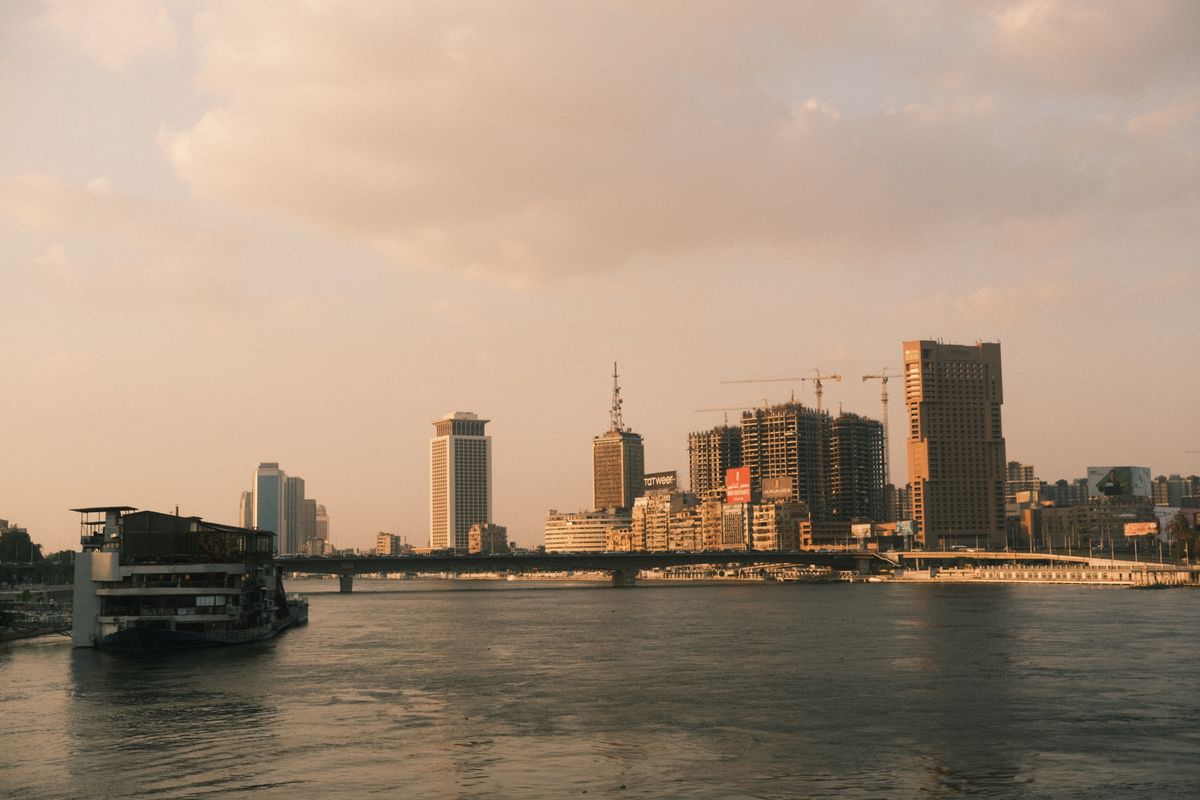
A traditional felucca sailboat offers an opportunity to see Cairo from the Nile. The water separates busy riverfront roads from the skyline, and the experience can be especially atmospheric around sunset. Choose a short sail or a longer dinner cruise according to your preferences.
Planning tip: Use a reputable operator, confirm the departure location, duration, weather and safety equipment, and agree the total price before boarding. Do not board an overloaded or poorly maintained boat.
Alex’s budget tip: Compare a shared trip or straightforward sail rather than automatically selecting an elaborate dinner package.
OPTIONAL NILE FELUCCA EXPERIENCE · AFFILIATE LINK
Compare a sunset sailing experience with hotel transfers. Confirm weather policy, departure arrangements, safety equipment and operator details.
11. Walk through Al-Azhar Park
Admission: Paid garden entry · Plan for: 1–2 hours
Open in Google Maps ↗ · Official visitor information ↗
Al-Azhar Park offers green spaces, landscaped paths and elevated views of the historic city. It is a welcome change of pace after busy markets and traffic. The park’s outlook toward the citadel and surrounding neighborhoods is particularly memorable in the late afternoon.
Planning tip: Check the opening calendar and admission arrangements. Allow enough time to travel back to your accommodation before evening traffic.
Alex’s budget tip: A park visit and a simple snack can be an affordable alternative to a costly restaurant terrace.
12. See Cairo Tower and explore Zamalek
Admission: Paid observation tower; free streets · Plan for: 2–3 hours
Open in Google Maps ↗ · Official visitor information ↗
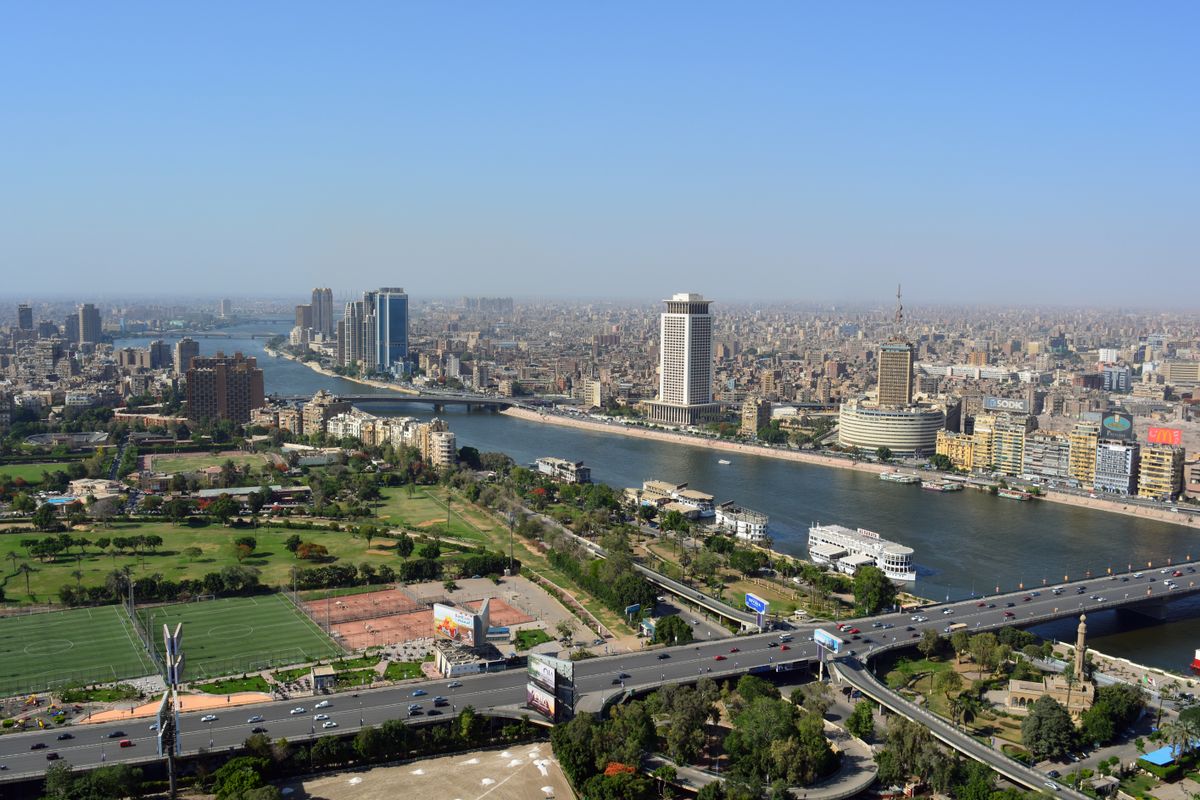
Cairo Tower on Gezira Island offers a panoramic view of the capital and the Nile, while Zamalek’s tree-lined streets, restaurants and galleries reveal a different side of the city. The island is an appealing place to spend time away from the most crowded historic sites.
Planning tip: Check the observation deck hours and visibility conditions before buying a ticket. Traffic may affect travel to and from the island.
Alex’s budget tip: Explore Zamalek on foot and enjoy free riverside views if the tower is not essential to your trip.
13. Explore Saqqara and the Step Pyramid
Admission: Paid archaeological site; travel extra · Plan for: 3–4 hours
Open in Google Maps ↗ · Official visitor information ↗
Saqqara, south of Cairo, is an extensive ancient necropolis known for the Step Pyramid of Djoser. Its monumental design marks a major stage in the development of Egyptian pyramid architecture. The surrounding tombs and archaeological remains provide a fascinating contrast to the later pyramids at Giza.
Planning tip: Check which tombs and areas are open and which require additional tickets. Arrange reliable transport and allow enough time for the return journey.
Alex’s budget tip: Combine Saqqara with Memphis or Dahshur if transport and opening hours permit, instead of booking separate journeys.
14. Discover Memphis and Dahshur
Admission: Paid historic sites; travel extra · Plan for: 3–5 hours
Open in Google Maps ↗ · Official visitor information ↗
The ancient capital of Memphis and the pyramids of Dahshur provide valuable context for understanding Egypt beyond Giza. Memphis has an open-air archaeological museum with monumental sculpture, while Dahshur is associated with the distinctive Bent Pyramid and Red Pyramid. These sites are further from the city and require advance planning.
Planning tip: Confirm access, ticketing and road travel with a reputable transport provider; stay in designated visitor areas and avoid restricted desert regions. Allow a full day if combining the sites with Saqqara.
Alex’s budget tip: Choose one countryside day with a well-defined itinerary to avoid spending more than necessary on transport.
15. Taste Egyptian food in downtown Cairo
Admission: Food purchases optional · Plan for: 1–2 hours
Open in Google Maps ↗ · Official visitor information ↗
Cairo’s food culture is a highlight of the city. Try koshari, a filling combination of rice, pasta, lentils and chickpeas, or ful medames and Egyptian ta’ameya made from fava beans. Sample fresh bread, local sweets and tea, and explore casual restaurants in downtown Cairo. Vegetarian travelers have many options, though stocks and sauces should be checked.
Planning tip: Choose busy establishments with good hygiene, drink safe bottled or appropriately treated water, and ask about ingredients or allergens.
Alex’s budget tip: Simple local dishes can be excellent value. Compare menus and avoid assuming a tourist-oriented restaurant is the best option.
Cairo itinerary: how to spend three days in Cairo
Day 1 – Ancient Giza. Start early at the Giza Plateau and visit the pyramids and Sphinx before the midday heat. Spend time in the designated viewpoints. Depending on your energy and reserved entry slot, continue to the Grand Egyptian Museum, or schedule that large museum for the following day instead. Return to your accommodation and enjoy a simple dinner.
Day 2 – Old Cairo and museums. Explore the Cairo Citadel and Mosque of Muhammad Ali, then visit Coptic Cairo and the Hanging Church. Choose the National Museum of Egyptian Civilization or the Egyptian Museum in Tahrir Square according to your interests. Cairo traffic can be slow, so do not plan more than you can comfortably enjoy.
Day 3 – Historic streets and the Nile. Visit Al-Muizz Street and Khan el-Khalili, then choose Al-Azhar Park, Zamalek or Cairo Tower for a different perspective. End with a reputable evening felucca or dinner cruise if conditions allow. If you would rather visit the GEM separately, swap the museum into this day and reduce the number of other stops.
Best day trips from Cairo
Saqqara, Memphis and Dahshur are excellent destinations for travelers interested in ancient Egypt. They cover a considerable area, so a full day with trusted transport is usually more comfortable than trying to fit them into a short afternoon. For another city experience, Alexandria on the Mediterranean is a possible day trip, but allow for the longer travel time and consider an overnight stay. Check official rail and site schedules. If your Egypt itinerary includes Luxor or Aswan, allow dedicated time for these destinations rather than treating them as quick day trips from Cairo.
Where to stay in Cairo: best areas for visitors
Downtown Cairo is convenient for Tahrir Square, the Egyptian Museum and central transport. Zamalek is a useful base for Nile views, restaurants and a quieter neighborhood atmosphere, though traffic matters. Giza is practical for the pyramids and the Grand Egyptian Museum; a pyramid-view room is optional, not essential. Compare hotels in Cairo based on verified reviews, location, taxes and transport costs. Ask whether airport transfers are included and confirm check-in details before arrival. Choose accommodation that matches your sightseeing plans, rather than relying only on distance shown on a map.
Getting around Cairo: metro, taxis and airport transfers
Cairo is a large metropolitan city and distances can be deceiving because of traffic. The metro is useful on certain routes in central Cairo, but not every major archaeological site is easily reached by metro. Use reputable taxis, ride services or hotel-arranged drivers for longer journeys and confirm prices and pickup locations in advance. From Cairo International Airport, arrange a trusted transfer or compare official airport transport options. Check the current route and schedule before traveling. For a Giza or Saqqara day, a licensed driver or organized tour can simplify logistics. Avoid planning a tight connection after sightseeing, and account for travel time between Cairo and Giza.
Egyptian food: where to eat in Cairo
Try koshari, ful medames, ta’ameya and fresh Egyptian bread. Traditional restaurants also serve grilled dishes, soups and rice. As a vegetarian traveler, ask about meat stock, dairy, eggs or other ingredients if necessary; many Egyptian staples are plant-based but recipes vary. Tea, fresh juices and sweets can be part of a relaxed café stop. Check menus and prices before ordering and choose places with good food hygiene. For a budget-friendly meal, local restaurants near your hotel can offer better value than dining directly beside a famous attraction. A food tour is optional if you want the context and convenience of a local guide.
Cairo on a budget: free experiences and travel tips
There are plenty of memorable ways to explore Cairo without buying every ticket. Wander the public streets of historic Cairo, enjoy the Nile waterfront, browse markets and discover local neighborhoods. Prioritize the pyramids and one major museum, then choose additional attractions according to your interests. As a rough planning estimate, allow US$45–$90 per person per day for basic accommodation, simple meals, transport and modest sightseeing; major sites, private tours, flights, airport transfers and insurance can increase the cost significantly. These are not fixed 2027 prices. Ticket prices are generally quoted in Egyptian pounds, and exchange rates can change. Verify official rates and avoid duplicate tickets. Bring layers for cooler evenings, sun protection, comfortable shoes and drinking water.
Preparing for your trip to Cairo in 2027
Confirm passport, visa and entry requirements before booking and consult your government’s latest advice. The U.S. State Department’s Egypt travel advisory dated November 24, 2026 lists Level 2, exercise increased caution, with higher-risk areas elsewhere in Egypt. Check again before departure, follow local laws and avoid restricted regions. Travelers from other countries should consult their own official guidance. Arrange travel insurance and emergency contacts before leaving. Respect religious customs, photography restrictions and site regulations, especially around official and religious buildings. Ramadan and holidays can affect opening hours and meal availability; verify schedules individually. Choose licensed transport providers and guides, and do not accept unsolicited offers that conflict with official site rules.
More places to see in Cairo
Visit the Mosque of Ibn Tulun if you are interested in historic religious architecture, or explore the nearby Gayer-Anderson Museum when open. The Museum of Islamic Art offers another perspective on Cairo’s artistic heritage. The Cairo Opera House and cultural venues in Zamalek can appeal to music and arts lovers; check the program for your dates. Explore downtown architecture around Talaat Harb Square and enjoy a quiet café if you have time. A visit to Cairo is about more than the archaeological sites: the modern city, markets and neighborhoods also deserve attention.
A guide to visiting the Pyramids of Giza
When visiting the Giza pyramids, the Great Pyramid of Giza is usually the first landmark people want to see. Plan your access to the pyramids through official ticket channels, and follow the current route and transport arrangements inside the Giza Plateau. The archaeological complex includes several monuments connected to the Giza Plateau, including the Sphinx and valley temple. There are designated photo viewpoints around the Pyramids of Giza where you can capture the desert with the pyramids in the background. If you stay near the pyramids, you can see the pyramids from some accommodation areas, but a view from a hotel is not a substitute for visiting the site itself. If you have only one day in Cairo, choose Giza and either the Grand Egyptian Museum or a shorter central-city visit; avoid an exhausting schedule.
Best places to visit in Cairo beyond the pyramids
There are many things to see in Cairo beyond ancient monuments. The city of a thousand minarets is known for its mosques, historic gates and distinctive skyline. The City of the Dead refers to historic cemetery areas; these are living and religious spaces, and visitors should respect access restrictions and residents. The National Museum of Egyptian Civilization is an opportunity to see the actual mummy of Ramses II if the relevant display remains accessible; check the museum before traveling. The best activities for your time in Cairo depend on your interests. Al Azhar Park (also written Al-Azhar Park) offers views of the city, while central Cairo offers historic architecture and cafés. Cairo at night is often lively, but choose reputable transportation and well-established venues. The Cairo Marriott Hotel in Zamalek is an example of a hotel with a historic setting; compare it with more modest accommodation options. For a taste of Cairo, try koshari, often described as Egypt’s national dish, at a local restaurant.
Frequently asked questions about visiting Cairo
What are the best things to do in Cairo for first-time visitors?
Start with the Giza pyramids and Sphinx, Grand Egyptian Museum, Khan el-Khalili, Citadel and a Nile experience.
How many days do you need in Cairo?
Three or four full days are a good starting point. Add another day for Saqqara, Memphis and Dahshur if time allows.
Is the Grand Egyptian Museum open?
Yes, the Grand Egyptian Museum is open, with the official website listing daily gallery opening hours and access to its Tutankhamun Galleries. Check the current hours, timed tickets and admission categories before visiting.
Do I need a guide for the pyramids?
A guide is optional but can provide historical context and help clarify transport and admission options. Choose a reputable licensed guide.
Can I visit the Pyramids and Sphinx on the same day?
Yes. Both are part of the Giza archaeological complex. Confirm the general admission rules and any separate interior tickets.
What is the best time to visit Cairo?
The cooler months from roughly October to April are often more comfortable for outdoor sightseeing. Check weather and religious holiday schedules.
Is Cairo expensive?
Local food and some public transport can be inexpensive, but museum admission, tours, hotels and private drivers add to costs.
Where should I stay in Cairo?
Downtown is convenient for central sites, Zamalek offers neighborhood restaurants and Nile views, and Giza works well for the pyramids and GEM.
Is Cairo safe for tourists?
Review your government’s current Egypt travel advisory and follow its guidance. Use trusted transportation, remain aware of your surroundings and avoid restricted areas.
Can I visit Cairo without renting a car?
Yes. Use trusted ride services, reputable taxis, hotel-arranged drivers and metro routes where appropriate. Allow extra time for traffic.
Discover more big cities
Explore our destination directory and plan your next adventure in Rome, Lisbon or Amsterdam. Big cities. Endless discoveries.