

The best things to do in Lisbon in 2027 include wandering through Alfama, riding Tram 28, seeing São Jorge Castle, exploring Jerónimos Monastery and Belém Tower, enjoying the views from the miradouros and tasting a Portuguese pastel de nata. Allow three full days to experience the capital of Portugal, with a fourth day for a trip to Sintra.
Lisbon is a city of colorful tiles, hills, yellow trams, historic architecture and spectacular views of the Tagus River. As a New Yorker who loves travel, I enjoy finding ways to experience big cities without spending a fortune. This Lisbon travel guide combines the famous sights with local neighborhoods and practical budget tips.
Disclosure: This article contains optional affiliate links. We may earn a commission from qualifying bookings at no additional cost to you. Prices and schedules may change in 2027; check official sources before traveling.
Top 15 Lisbon attractions at a glance
| Attraction | Admission | Recommended time |
|---|---|---|
| 1. Explore Alfama | Free streets; some attractions paid | 2–3 hours |
| 2. Ride the iconic Tram 28 | Paid public transport | 45–75 minutes |
| 3. Visit São Jorge Castle | Paid | 1.5–2 hours |
| 4. Discover Praça do Comércio and the Tagus waterfront | Free square; arch viewpoint paid | 45–90 minutes |
| 5. Tour Jerónimos Monastery | Paid cloisters; church access separate | 1.5–2 hours |
| 6. See Belém Tower | Free exterior; paid interior when open | 45–75 minutes |
| 7. Admire the Monument to the Discoveries | Free exterior; paid observation deck | 30–60 minutes |
| 8. Try a pastel de nata in Belém | Food purchase optional | 30–60 minutes |
| 9. Take in Lisbon’s miradouros | Free public viewpoints | 1–2 hours |
| 10. Explore Baixa and Rossio Square | Free streets and squares | 1–2 hours |
| 11. See the Santa Justa Lift and Carmo Convent | Paid lift and museum; exterior free | 1–2 hours |
| 12. Discover Chiado and Bairro Alto | Free neighborhood walk | 2–3 hours |
| 13. Enjoy a meal at Time Out Market and Cais do Sodré | Free entry; meals optional | 1–2 hours |
| 14. Visit Parque das Nações and the Lisbon Oceanarium | Free waterfront; aquarium paid | 3–4 hours |
| 15. Listen to traditional fado music | Paid performances or museum | 1–2 hours |
1. Explore Alfama
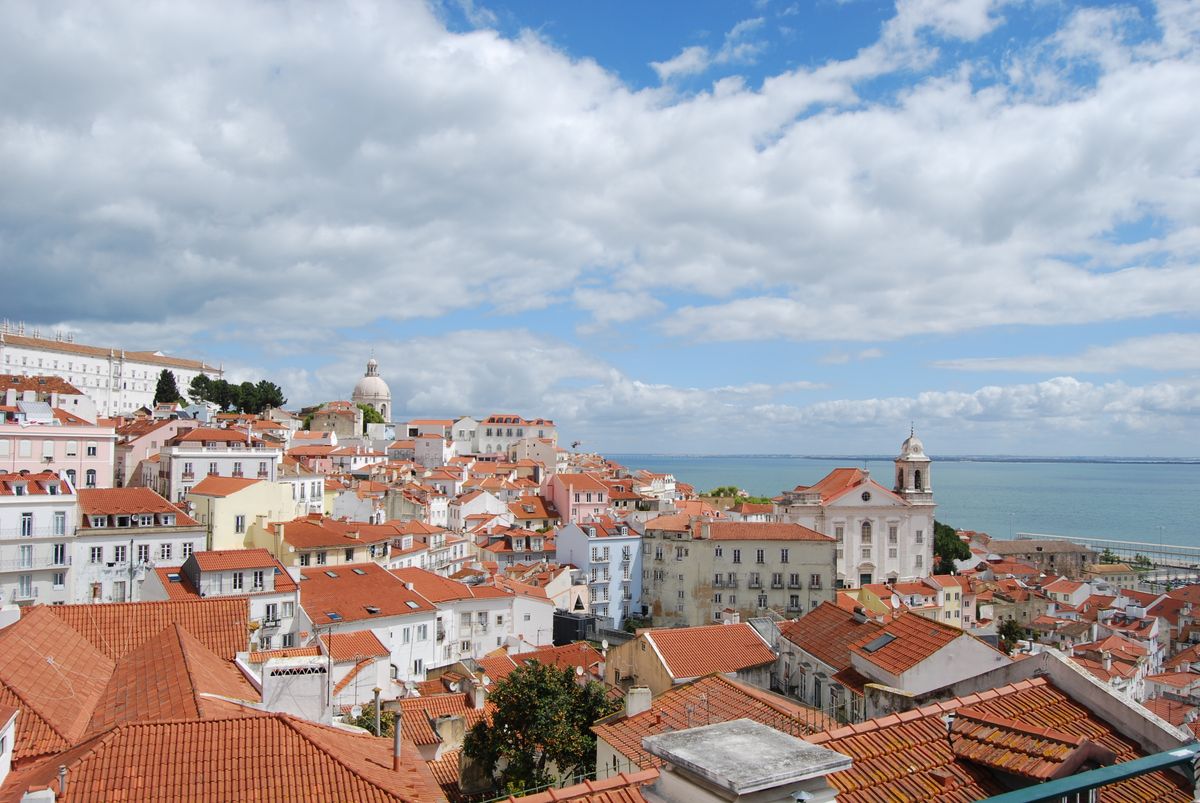
Admission: Free streets; some attractions paid · Plan for: 2–3 hours
Open in Google Maps ↗ · Official visitor information ↗
Climb the cobbled lanes of Lisbon’s oldest neighborhoods, where tiled houses, tiny squares and balconies open onto views of the Tagus River. Alfama is a wonderful place to hear fado music, discover independent cafés and appreciate the city’s layered history. Start near the cathedral and wander toward the viewpoints, leaving time for unexpected discoveries.
Planning tip: The hills are steep, with uneven pavements and steps. Wear sturdy shoes and plan a downhill route if mobility is a concern.
Alex’s budget tip: A self-guided neighborhood walk is completely free. Enjoy a pastry on a quiet square instead of paying for a sightseeing vehicle.
2. Ride the iconic Tram 28

Admission: Paid public transport · Plan for: 45–75 minutes
Open in Google Maps ↗ · Official visitor information ↗
The yellow tram 28 is one of the classic symbols of Lisbon. The historic tram winds through several districts, passing churches, steep hills and narrow streets that reveal everyday life. It is a real public transport service used by residents, not simply a tourist attraction.
Planning tip: Check Carris for the route, timetable, ticket options and any temporary diversions. Board outside peak hours, allow passengers to exit, and keep belongings secure.
Alex’s budget tip: Compare a day transport ticket against individual rides, and consider less crowded transit routes rather than waiting for a packed tram.
3. Visit São Jorge Castle
Admission: Paid · Plan for: 1.5–2 hours
Open in Google Maps ↗ · Official visitor information ↗
São Jorge Castle, also called Castelo de São Jorge or St. George’s Castle, stands above the historic center. The medieval fortification offers sweeping views from its ramparts, towers and courtyards. Explore the archaeological displays and imagine the city’s long history from this elevated vantage point.
Planning tip: The official tourism website lists adult admission at €15 in late 2026; confirm 2027 rates. Some ramparts have steep stairways and exposed edges.
Alex’s budget tip: If you prefer a free panorama, visit the nearby Santa Luzia viewpoint instead.
4. Discover Praça do Comércio and the Tagus waterfront
Admission: Free square; arch viewpoint paid · Plan for: 45–90 minutes
Open in Google Maps ↗ · Official visitor information ↗
Praça do Comércio, also called Commerce Square or Terreiro do Paço, is a grand riverside plaza surrounded by yellow arcaded buildings. The Rua Augusta Arch frames the entrance toward downtown Lisbon. Stop by the water to watch ferries and enjoy the wide-open space after the narrow streets of Alfama.
Planning tip: The square is open to the public; the arch rooftop is an optional paid experience. Check weather and access before booking.
Alex’s budget tip: Walk the riverfront toward Cais do Sodré and admire the arch from the square for free.
5. Tour Jerónimos Monastery
Admission: Paid cloisters; church access separate · Plan for: 1.5–2 hours
Open in Google Maps ↗ · Official visitor information ↗
The Mosteiro dos Jerónimos is an extraordinary example of Manueline architecture in Belém. Elaborate carved stonework, vaulted passages and a serene cloister reflect Portugal’s maritime history. The UNESCO World Heritage Site is associated with the era of Vasco da Gama and the tombs of important Portuguese figures.
Planning tip: Book a date and time through the official visitor website, even if using a Lisboa Card where required. Check the current opening calendar; Mondays are generally closed.
Alex’s budget tip: Combine the monastery with the waterfront monuments in Belém to minimize transport and time.
6. See Belém Tower

Admission: Free exterior; paid interior when open · Plan for: 45–75 minutes
Open in Google Maps ↗ · Official visitor information ↗
Belém Tower, or Torre de Belém, rises beside the Tagus River. The historic fortified tower dates from the early sixteenth century, when Portugal’s maritime routes shaped international trade. The distinctive stone balconies and turreted silhouette are striking from the waterfront.
Planning tip: Check current restoration status, timed admission, tides and opening hours. The interior has narrow stairways, so it may not suit every traveler.
Alex’s budget tip: The outside is one of the best free photo opportunities in Lisbon, whether or not you buy admission.
7. Admire the Monument to the Discoveries
Admission: Free exterior; paid observation deck · Plan for: 30–60 minutes
Open in Google Maps ↗ · Official visitor information ↗
The large monument on the Belém riverfront commemorates Portuguese maritime exploration. Its sculptural figures face the river, and the pavement compass rose helps place the voyages in geographical context. Approach the history thoughtfully, including the effects of colonial expansion on communities around the world.
Planning tip: Check current visitor access if you plan to ascend to the viewing platform. The waterfront can be windy.
Alex’s budget tip: Enjoy the sculpture, pavement and riverside promenade without paying for the observation deck.
8. Try a pastel de nata in Belém
Admission: Food purchase optional · Plan for: 30–60 minutes
Open in Google Maps ↗ · Official visitor information ↗
A crisp pastry shell filled with custard and lightly browned on top is one of Portugal’s most famous treats. Pastéis de Belém is a historic bakery near the monastery, while pastel de nata is available throughout Lisbon. Try a freshly baked pastry with your favorite drink, or compare different bakeries during your stay.
Planning tip: Popular bakeries can have separate takeaway and seated queues. Traditional custard contains eggs and dairy; ask for plant-based versions if needed.
Alex’s budget tip: Buy one or two pastries rather than a full box if you are sampling several places. Neighborhood bakeries can also be excellent value.
9. Take in Lisbon’s miradouros

Admission: Free public viewpoints · Plan for: 1–2 hours
Open in Google Maps ↗ · Official visitor information ↗
Lisbon’s hills create beautiful viewpoints known as miradouros. The Miradouro de Santa Luzia and Portas do Sol overlook Alfama’s terracotta rooftops, while Senhora do Monte in Graça offers an impressive wider panorama. The Miradouro de São Pedro de Alcântara looks toward the castle across the city center.
Planning tip: Use public transport for the uphill part of the journey and walk down if you prefer. Visit at sunrise or late afternoon for good light, and respect residents in nearby streets.
Alex’s budget tip: These viewpoints are among the most rewarding free things to do in Lisbon.
10. Explore Baixa and Rossio Square
Admission: Free streets and squares · Plan for: 1–2 hours
Open in Google Maps ↗ · Official visitor information ↗
Baixa is the downtown district rebuilt after the devastating 1755 Lisbon earthquake. Streets meet in a regular grid, contrasting with the winding medieval lanes uphill. Rossio Square, also known as Praça Dom Pedro IV, is famous for its flowing black-and-white pavement, fountains and lively street scene.
Planning tip: Combine Rossio with Rua Augusta, Restauradores and Praça do Comércio. Slippery polished pavement can be difficult in rain.
Alex’s budget tip: Window-shop, photograph the architecture and enjoy the public spaces without a paid tour.
11. See the Santa Justa Lift and Carmo Convent
Admission: Paid lift and museum; exterior free · Plan for: 1–2 hours
Open in Google Maps ↗ · Official visitor information ↗
The ornate iron Santa Justa Lift links the lower city with the higher Chiado district. Nearby, the roofless Gothic ruins of the Carmo Convent are a poignant reminder of the earthquake of 1755. The archaeological museum offers a different perspective on Lisbon’s history from its grand waterfront monuments.
Planning tip: Check lift operations and queues, as services may change. The convent has separate admission. Access to the upper streets is possible on foot.
Alex’s budget tip: Skip the elevator queue by walking to Largo do Carmo, where you can admire the surrounding architecture.
12. Discover Chiado and Bairro Alto
Admission: Free neighborhood walk · Plan for: 2–3 hours
Open in Google Maps ↗ · Official visitor information ↗
Chiado blends theaters, bookshops, historic cafés and traditional shopping streets. Continue into Bairro Alto, a neighborhood with narrow lanes and a lively evening atmosphere. During the day, quieter streets reveal tiled façades and local businesses that are easily missed on a rushed visit.
Planning tip: Visit in daylight for architecture and shops or after dinner for nightlife. Be considerate of residents late at night and check public transport return options.
Alex’s budget tip: Walk between the districts for free and choose a locally priced café rather than paying for the busiest terrace.
13. Enjoy a meal at Time Out Market and Cais do Sodré
Admission: Free entry; meals optional · Plan for: 1–2 hours
Open in Google Maps ↗ · Official visitor information ↗
The Time Out Market occupies part of the Mercado da Ribeira near Cais do Sodré and brings together a range of food vendors. It is a convenient place to compare Portuguese dishes, snacks and desserts under one roof. The surrounding waterfront offers a pleasant walk and the Pink Street area is known for its nightlife.
Planning tip: Review menus and prices first, particularly if traveling with a group. Peak meal periods can be crowded.
Alex’s budget tip: Browse the food hall before buying, or find a simple lunch in a neighborhood restaurant nearby.
14. Visit Parque das Nações and the Lisbon Oceanarium
Admission: Free waterfront; aquarium paid · Plan for: 3–4 hours
Open in Google Maps ↗ · Official visitor information ↗
Parque das Nações showcases the modern side of Lisbon. The district developed around Expo 98 and now offers a long promenade, contemporary architecture and the Lisbon Oceanarium, a major aquarium centered on ocean habitats. The nearby cable car offers views of the Tagus and Vasco da Gama Bridge.
Planning tip: Reserve aquarium tickets if visiting in a busy period, and confirm current operating hours. The cable car is a separate attraction.
Alex’s budget tip: The outdoor gardens and riverside walk are free, making this a good alternative to the historic hills.
15. Listen to traditional fado music
Admission: Paid performances or museum · Plan for: 1–2 hours
Open in Google Maps ↗ · Official visitor information ↗
Fado is a deeply expressive Portuguese musical tradition rooted in Lisbon’s neighborhoods. The Museu do Fado in Alfama explores its history, performers and instruments. A live performance offers a different kind of city experience, bringing the atmosphere of local culture into focus after a day of sightseeing.
Planning tip: Compare show-only tickets with dinner performances. Look at the start time, minimum spend, venue accessibility and the style of the performance before booking.
Alex’s budget tip: A ticket-only early performance may cost less than a full dinner show; look for smaller venues and respect the artists by listening quietly.
Lisbon itinerary: how to spend three days in Lisbon
Day 1: Historic Lisbon and viewpoints. Begin in Baixa at Rossio Square, walk through Rua Augusta to Praça do Comércio, then explore Lisbon Cathedral and Alfama. Visit São Jorge Castle if desired and enjoy the views of Lisbon at Santa Luzia or Portas do Sol. End with a fado show or a relaxed dinner. Leave time for hills and breaks rather than rushing between every attraction.
Day 2: Belém and the river. Take public transport to Belém and reserve the Jerónimos Monastery for the morning. Enjoy a pastel de nata, then walk beside the Tagus to the Monument to the Discoveries and Belém Tower. Art lovers can consider MAAT, the Museum of Art, Architecture and Technology, or the Cultural Centre of Belém. Return to Chiado or the waterfront in the evening.
Day 3: Neighborhoods and modern Lisbon. Explore Chiado, Bairro Alto and Carmo Convent, or take a walking tour of the city center. Head to Cais do Sodré for lunch at the Time Out Market. Spend the afternoon at Parque das Nações and the Oceanarium, or visit a museum depending on your interests. For a longer trip, add a full day for Sintra.
Day trips from Lisbon: Sintra, Cascais and beyond
A day trip to Sintra is one of the top experiences near Lisbon. The colorful Pena Palace sits above the town, while Quinta da Regaleira is known for its gardens and unusual architecture. The Moorish Castle overlooks the hills. Book timed palace access, account for transport between sights and avoid trying to see everything in one day. Visit Parques de Sintra for official information. Cascais is an appealing seaside town accessible by train from Cais do Sodré, with beaches and a lovely waterfront. Cabo da Roca offers dramatic cliff scenery; stay on designated paths. For a longer stay in Portugal, consider a trip to Porto or Évora and allow enough time for travel.
OPTIONAL SINTRA AND CASCAIS DAY TOUR · AFFILIATE LINK
Compare a full-day guided excursion with transport to Sintra, Pena Palace, Cabo da Roca and Cascais. Admission fees may be separate; confirm the inclusions and cancellation policy.
Where to stay in Lisbon
Baixa and Chiado are the best places to stay in Lisbon for easy access to central attractions, restaurants and transport. Alfama offers an atmospheric stay in the old town, but accommodation may involve steep streets and stairs. Bairro Alto is lively at night, so check reviews for street noise. Avenida da Liberdade and Saldanha are practical alternatives with metro access. Belém is attractive for waterfront walks but farther from the city center. Compare hotel rates including local taxes and cancellation terms. A room near a convenient metro station can save money without making your itinerary harder.
Getting around Lisbon: public transportation and airport transfers
Use the metro for longer journeys, buses and trams for local connections and trains for day trips. Lisbon Airport is connected to the metro network; check the route to your hotel at Metro Lisboa. Visit Carris for current tram and bus routes, timetables and fare information. Compare individual tickets, rechargeable travel cards and day passes based on your plans. Validate tickets as required and check whether a pass includes suburban trains or ferries. The Lisboa Card combines access to participating museums and monuments with eligible public transportation, but compare inclusions and reservation rules before buying. Lisbon is hilly, so allow extra time to walk uphill and consider public transit for steep stretches.
What to eat in Lisbon: Portuguese food and affordable meals
Portuguese cuisine offers a range of memorable dishes, from pastries and breads to soups, rice dishes and traditional seafood. Try a pastel de nata or ask for a vegan custard tart. Bacalhau is salted cod and caldo verde often includes sausage, so vegetarian visitors should check ingredients before ordering. Look for vegetable soups, olives, salads and plant-based restaurants. A prato do dia or daily lunch special can be an affordable choice. Try a food market, small neighborhood restaurant or a guided food tour if you want to learn more about local cuisine. Be mindful that bread, olives and other appetizers brought to your table may have an additional charge.
Lisbon on a budget: free things to do and travel tips
Lisbon is one of those cities where memorable experiences can be free: explore the old town, stroll the waterfront, visit public gardens and enjoy the beautiful views from hilltop terraces. Prioritize the most important paid attractions instead of buying every ticket. For planning, allow roughly €65–€110 per person per day for hostel accommodation, casual meals, local transit and some sightseeing, excluding flights, airport transfers, insurance and major tours. Private rooms or premium experiences will raise that budget. These are estimates rather than confirmed 2027 prices. The best time to visit Lisbon for comfortable walks is usually spring or early autumn; summer can be warm and crowded. Take water, sun protection and supportive shoes. Keep your belongings secure on crowded trams, and book popular monuments in advance.
More places to visit in Lisbon
If you have extra time, check the current opening status of the National Tile Museum (Museu Nacional do Azulejo), which celebrates the Portuguese art of decorative tiles and was listed as closed for renovations in late 2026. The Calouste Gulbenkian Museum and gardens are also worth checking for current visitor arrangements. Browse LX Factory in Alcântara for creative shops, restaurants and bookstores, or visit the Estrela Basilica and its nearby garden. Across the Tagus, the Cristo Rei sanctuary offers a different perspective on Lisbon and the 25 de Abril Bridge. Take a ferry and public transport if you plan to visit Almada. Check the route and opening times before traveling.
Top sights and hidden gems in Lisbon for first-timers
The city of Lisbon has more to offer than its top attractions. One of the best spots for views of the city is the Miradouro das Portas do Sol, near the historic Alfama district. Take care on the cobblestones and look for shaded cafes between viewpoints. The Elevador de Santa Justa is a striking engineering landmark, while the Portuguese late Gothic architecture of the monastery in Belém (also written Belem) gives a very different impression of the city. Visitors with at least 3 days can enjoy both the historic neighborhoods and the modern riverfront.
Príncipe Real is another worthwhile neighborhood, with a public garden, independent stores and restaurants. For some of the best shopping, wander through Chiado and the shops around Praça do Príncipe Real. Compare hotels in Lisbon based on transport connections rather than distance from one landmark. A walking tour in Lisbon with a local guide can help you understand the history of the neighborhoods and find places you might otherwise miss. The Portuguese name for the city appears in names such as Oceanário de Lisboa.
Lisbon from the water and beyond
A Tagus River cruise is an optional way to admire the skyline, Belém Tower and bridge from a new perspective. If you prefer a cruise on the Tagus River, check the departure point, weather conditions, duration and cancellation terms. A free alternative is to stroll along the bank of the Tagus River and enjoy the sunset from the waterfront. Sintra and Cascais are popular day trips; depending on service and route, Sintra is roughly 40 minutes from Lisbon by train, with additional local travel needed to reach the palaces. For food lovers, try pastéis de nata (often written pasteis de nata without accents) from different bakeries. The best pasteis are a matter of personal taste, so compare a historic bakery with a neighborhood shop.
OPTIONAL SUNSET TAGUS CRUISE · AFFILIATE LINK
See Lisbon’s waterfront and bridge from the water. Compare departure location, group size, current availability and cancellation terms.
Frequently asked questions about visiting Lisbon
What are the best things to do in Lisbon for first-time visitors?
Start with Alfama, Tram 28, São Jorge Castle, Belém Tower, Jerónimos Monastery and Commerce Square. Add a free viewpoint and a fado performance.
How many days in Lisbon do you need?
Three full days are ideal for a first trip. Add a fourth day to visit Sintra and a fifth for Cascais or a relaxed city day.
Is Lisbon expensive?
Lisbon can be affordable if you combine public transport, free viewpoints, simple meals and a hostel. Central hotels and premium tours can substantially increase costs.
Is the Lisboa Card worth it?
Compare the pass price against the attractions and transit you actually plan to use. Check timed reservations and any exclusions before buying.
Should I book Jerónimos Monastery and Belém Tower in advance?
Yes, check the official websites for the dates, timed tickets and current accessibility arrangements. Some pass holders may also need a reservation.
Can I visit Lisbon without a car?
Yes. Use metro, trams, buses and trains. Walking is convenient in the center, although hills and uneven pavements can be challenging.
What is the best time to visit Lisbon?
Spring and autumn are often comfortable for sightseeing. Summer is popular and may be hot and busy; winters can be mild but rainy.
What are the best free attractions in Lisbon?
Alfama, Commerce Square, Rossio, the public miradouros, Belém waterfront and Parque das Nações are wonderful free attractions.
Is Sintra worth a day trip from Lisbon?
Yes. The UNESCO-listed cultural landscape and Pena Palace make a memorable day away from Lisbon. Reserve tickets and plan transport between sites.
Where is the best area to stay in Lisbon?
Baixa and Chiado are convenient for a first visit; Alfama has historic character, and Avenida da Liberdade and Saldanha offer good metro connections.
Discover more of Europe
Explore our destination directory and plan your next adventure in Barcelona, Rome or Paris. Big cities. Endless discoveries.