
Yes, you can visit Paris on a budget in 2027. Start with a daily target of €65–€100 per person for hostel accommodation, simple meals, public transport and mostly free sightseeing. Couples sharing a modest hotel room may spend around €90–€145 each. Flights, airport transfers and major paid attractions are extra. The secret is to choose a few memorable splurges and enjoy the city’s extraordinary free experiences.
Paris is one of those cities where a perfect afternoon can cost little more than a baguette. You can picnic beneath the Eiffel Tower, wander along the Seine and discover gorgeous neighborhoods without a ticket. As a New Yorker who loves traveling, I believe a great city break is about the experiences you remember, not the price of your hotel.
Disclosure: This guide contains an affiliate link. We may earn a commission if you book through it, at no extra cost to you. Prices are planning estimates, not guaranteed 2027 rates.
Paris budget: How much does a trip to Paris cost?
A reasonable Paris budget depends on where you sleep, how many attractions you pay for and whether you eat out every day. Use these estimates to plan your trip before booking. The ranges exclude flights, airport transfers, travel insurance and shopping.
| Daily expense | Budget traveler | Private room, shared |
|---|---|---|
| Accommodation per person | €30–€50 | €50–€85 |
| Food and drinks | €20–€30 | €25–€35 |
| Local transport | €5–€10 | €5–€10 |
| Sightseeing allowance | €10 | €10–€15 |
| Total | €65–€100 | €90–€145 |
On a shoestring budget, you could spend less by walking, cooking and prioritizing free sights. But give yourself a buffer for unexpected expenses. Paris doesn’t need to be an expensive city to visit if you make deliberate choices. Your accommodation is usually the biggest variable, especially around school holidays, fashion events and popular weekends.
Budget accommodation: Where to stay in Paris on a budget
1. Book accommodation early
Booking several months ahead is often a useful way to save, particularly if you need a private room. Compare refundable rates and the final price including city tax. A hostel in Paris can be a great option for solo travelers; look for lockers, recent cleanliness reviews, curtains and a kitchen. For two people, a basic double room may be better value than two dorm beds.
2. Look beyond the center of Paris
The best place to stay is near reliable transport, not necessarily next to a famous monument. Consider the 10th, 11th, 12th and 19th arrondissements, or suburban areas with an easy metro connection. Compare actual travel times to the Paris attractions you plan to see. A cheap place that costs an hour of commuting every morning may be a false economy. Neighborhoods such as Belleville and the area around Canal Saint-Martin are interesting places to explore in their own right.
3. Compare hotels and apartments carefully
Budget hotels in Paris vary enormously. Compare total prices, bathroom arrangements, elevator access, cancellation rules and whether breakfast is included. Look at hotels in Paris with a grocery shop and metro station nearby. Budget accommodation with a kitchenette makes it easier to prepare breakfast or store picnic supplies. If you choose an apartment, include cleaning fees and check-in conditions before comparing it with a hotel.
4. Travel outside peak dates
January, February and parts of November can offer budget options, although weather can be chilly and event weekends may be expensive. Spring and autumn are attractive compromises for budget travel. Compare several arrival and departure dates; occasionally moving your stay by one day saves more than any coupon. If you’re planning a trip to Paris for a special event, check accommodation before committing to flights.
How to get around Paris on a budget
5. Use the Paris Metro instead of taxis
The metro makes it easy to travel in Paris. As a benchmark, published 2026 fares are €2.55 for a standard metro, train or RER ticket and €2.05 for a bus or tram ticket. Airport journeys have different rules and prices; the 2026 rail airport ticket is €14. Check the official Île-de-France Mobilités fare information for 2027 before arrival.
If you expect several rides a day, compare single tickets with the available daily or weekly passes and their coverage. A weekly pass can make sense for some visitors, but its calendar dates matter. Keep your validated ticket or travel card available until you exit, and do not assume an ordinary metro ticket covers the airport.
6. Walk one neighborhood at a time
One of the cheapest ways to experience Paris is simply walking. Group sights geographically: the Louvre, Tuileries and the Seine; Notre-Dame and the Latin Quarter; or Montmartre and its surrounding streets. You will spend less time on trains and discover beautiful storefronts, squares and architecture along the way. Carry comfortable shoes and a refillable bottle.
7. Compare airport transport before you fly
Travel to Paris from Charles de Gaulle or Orly by public transport if your luggage and mobility needs allow. Check the current fare, the last service of the evening and transfers to your hotel. For a family or a group, a licensed fixed-fare taxi may sometimes be worth comparing. After a long flight, the cheapest fare is not always the most convenient choice.
Eating in Paris: Affordable places to eat

8. Make bakeries your breakfast stop
A neighborhood boulangerie is one of the best places to eat when money is tight. A croissant or pain au chocolat and a simple drink can be a satisfying breakfast. Budget €4–€8 depending on what you choose. Buy a baguette sandwich or quiche to take away at lunchtime. Standing at a counter or taking food to a park can cost less than a full table-service meal.
9. Pack a Parisian picnic
Markets and supermarkets make eating in Paris easy and affordable. Pick up bread, fruit, cheese, hummus or salad and head to a park, the riverbank or a permitted picnic area. A €8–€15 grocery picnic can be a highlight of your day. Try Rue Cler or a local market rather than doing all your shopping next to monuments. See our Rue Cler market street guide for inspiration.
10. Order the lunchtime formule
Many restaurants in Paris offer a set lunch menu on weekdays. Look for formule déjeuner or menu du jour displayed outside. A starter plus a main, or a main and dessert, can be better value than ordering dishes separately. A casual lunch might cost €15–€25; check the posted menu. In restaurants, ask for a carafe d’eau if you want tap water rather than paying for bottled water.
11. Eat in the neighborhoods, not beside landmarks
Some of the best places to visit for food are neighborhoods away from the busiest sightseeing streets. Explore the Latin Quarter’s side streets, Belleville or the 11th arrondissement. Look at the menu before sitting down. Vegetarian travelers can find falafel, vegetable sandwiches, crêpes and many plant-based dishes; ask about ingredients if you avoid eggs or dairy. Budget travelers can combine one sit-down meal with inexpensive takeaway food each day.
Free things to do in Paris and top Paris attractions
Paris is a city where many of its most beloved experiences are completely free. The following are excellent starting points for a first visit in Paris, especially if your travel budget is limited.
12. See the Eiffel Tower from the ground
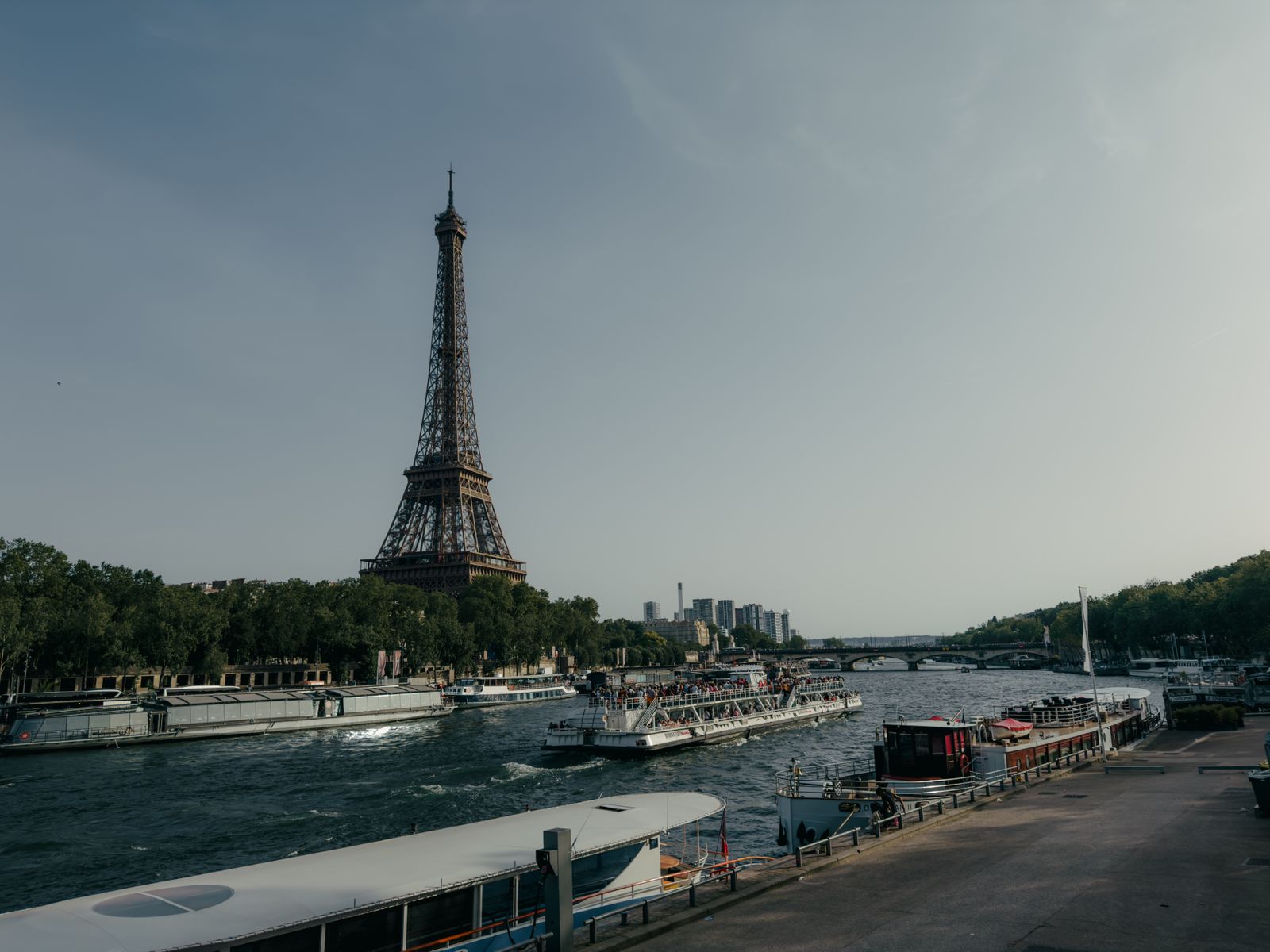
You do not need an elevator ticket to admire the Eiffel Tower. Start at Trocadéro, walk across the Seine and enjoy the public viewpoints around the Champ de Mars where access permits. Come at dusk for a different perspective. This is a lovely way to get a view of Paris without paying for an observation deck. Read our Eiffel Tower and Trocadéro guide for directions.
13. Wander along the Seine

The riverbanks are among the best places to enjoy Paris for next to nothing. Walk past the bridges, riverside booksellers and islands in the historic heart of the city. Bring a snack and take time to watch the boats. See our Seine riverbanks guide. A free self-guided tour of Paris is easy to build around the river.
If you have room in your budget, compare a sightseeing cruise rather than paying for several separate extras. Check the departure point, duration and cancellation terms.
Check Seine cruise availability →14. Visit Notre-Dame Cathedral
The main cathedral is free to visit. General entry does not require a paid ticket; an optional free reservation is available through the official Notre-Dame website. Separate experiences such as the towers or treasury may be ticketed. Explore the islands on foot and see our Notre-Dame visitor guide.
15. Explore Montmartre and Sacré-Cœur
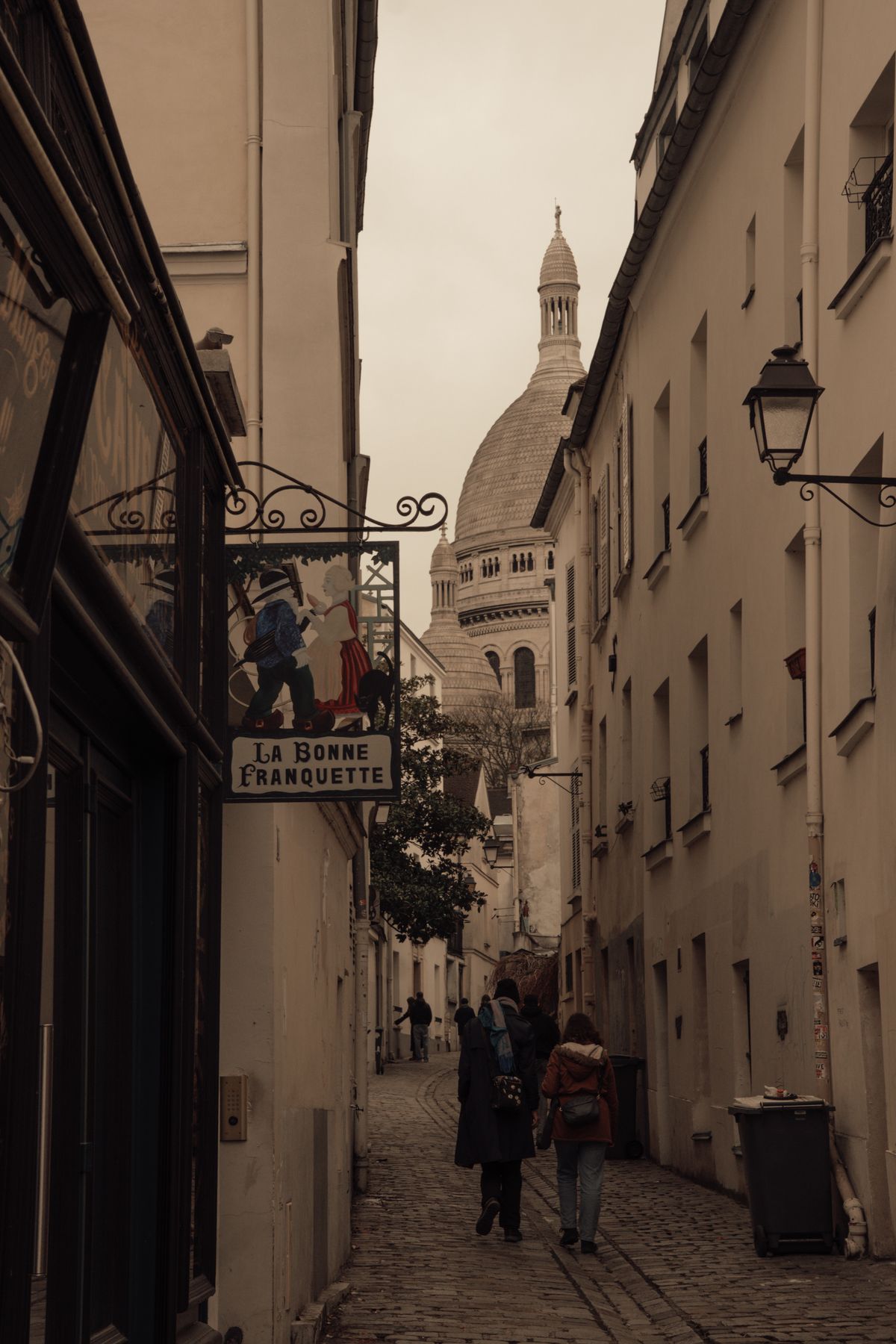
Montmartre is one of the city’s most atmospheric districts, with steep lanes, small squares and a sweeping Paris skyline. The basilica’s main interior is generally free to visit; special areas can charge admission. Be aware that the neighborhood involves hills and steps. Visit early to enjoy the streets of Paris before the crowds. Read our Montmartre and Sacré-Cœur guide.
16. Enjoy parks, squares and rooftop views
Paris is home to wonderful public gardens. Try the Luxembourg Gardens, the Tuileries or Place des Vosges. The rooftop terrace at Galeries Lafayette is another popular viewpoint when open. Some gardens close early, so check opening times. The official Paris tourism free activities guide offers more ideas.
17. Find a free walking tour or neighborhood walk
Free walking tours in Paris typically operate on a tip basis, so include a fair gratuity in your budget. Alternatively, Paris Greeters offer volunteer-led walks subject to availability; check the official visitor information. Explore Le Marais, Canal Saint-Martin or the filming locations associated with Emily in Paris at your own pace. For more things to do in Paris, check out our guide to the best things to do in Paris in 2027.
Save money on museums and famous Paris landmarks
18. Take advantage of free museum admission
Several municipal museums in Paris offer free admission to permanent collections, including the Musée Carnavalet, Petit Palais and Musée d’Art Moderne de Paris. Temporary exhibitions may cost extra. Some national museums offer free entry on the first Sunday of the month, but rules and reservations vary; don’t assume the first Sunday of every month is free everywhere. The Louvre currently offers eligible free evening admission on the first Friday after 6 p.m., except July and August, and also advertises July 14 free admission. Verify future dates and booking rules on the Louvre website and Paris tourism museum list. Under-26 eligibility differs depending on residence and institution.
19. Compare the Paris Museum Pass with individual tickets
The Paris Museum Pass covers participating monuments and museums for consecutive validity periods of two, four or six days. Start by listing only the paid sights you genuinely want to visit, add their official admission prices, and compare them with the pass. Reservations are still required at some venues and not all attractions or special exhibitions are covered. If you plan mostly free sightseeing, individual tickets may be the better budget choice. Choose a few highlights rather than rushing from one museum to the next.
20. Decide on one or two meaningful splurges
It is easy to overspend when every famous experience seems essential. If art is your favorite part of traveling, prioritize the Louvre Museum or Musée d’Orsay. If architecture is your passion, consider Sainte-Chapelle. A river cruise can be a lovely alternative to another museum. Compare official direct admission with third-party tours, and avoid unnecessary add-ons. The point is to save money on your trip so you can enjoy what matters most.
A three-day Paris itinerary on a tight budget
Here is a practical itinerary for a first trip to Paris. The distances are designed around neighborhoods. Adjust opening days and book any paid visit ahead.
| Day | Morning | Afternoon and evening |
|---|---|---|
| 1 · Classic Paris | Trocadéro and Eiffel Tower viewpoints | Picnic, Seine walk, Tuileries, optional cruise |
| 2 · History and culture | Notre-Dame, Île de la Cité | Le Marais, Carnavalet or paid art museum |
| 3 · Local neighborhoods | Montmartre and Sacré-Cœur | Canal Saint-Martin, bakery lunch, sunset |
Spending money excluding accommodation: Allow roughly €35–€60 per day for meals, transport and a modest sightseeing allowance. For three days, budget around €195–€300 per person using the hostel-based daily estimate. Add airport transport and your chosen premium activities separately. The same approach works for a longer stay: alternate free days with ticketed highlights and do not overload your itinerary. The City of Light rewards slow exploration.
Budget travel tips: How to save money on your trip
Before you go to Paris, check your mobile data plan, bring a reusable bottle and download an offline map. Use a payment card with low foreign transaction fees and decline unnecessary currency conversion at terminals. Avoid buying bottled water repeatedly or purchasing souvenirs at the first shop you see. A few small purchases per day can add up.
Keep your belongings secure, especially in crowded transport and busy squares. Do not sign unsolicited petitions or accept unsolicited bracelets. When visiting Paris, verify ticket sellers through official attraction websites, build flexibility into your travel plans and leave a contingency fund for emergencies. These simple travel tips can save a lot of money and stress.
For events such as the Paris Jazz Festival, check the official schedule and whether park entry or concert tickets are required. Seasonal programming changes. If living in Paris is not your goal but experiencing the neighborhoods is, spend at least a few unstructured hours in a local market, café or park. Paris is still magical on an ordinary weekday.
Is Paris budget friendly compared with other European cities?
Paris can be expensive for lodging, but you can control the cost of a day in Paris more easily than you might expect. Public gardens, river walks and many municipal museum collections are free. The most expensive items for many visitors are hotel rooms and premium attractions rather than getting around the city. If you need to travel during a busy holiday, reserve a room early.
For a practical budget in Paris, plan one neighborhood, one inexpensive meal and one free activity before choosing any paid tickets. If the centre of Paris is outside your price range, a convenient metro connection is more valuable than a landmark view from your room.
Frequently asked questions about Paris on a budget
Can I visit Paris on a budget in 2027?
Yes. Plan €65–€100 a day with hostel accommodation, simple meals, public transportation and free sights. Your real costs depend on travel dates and accommodation availability.
What is the cheapest time to visit Paris?
Winter outside major holidays often offers lower hotel rates. Compare January, February and November with your actual dates, since conventions and other events can raise prices.
Is €100 a day enough in Paris?
It can be enough for many budget travelers staying in a hostel, eating casually and selecting free attractions. It may not cover a private hotel room on busy dates or several paid attractions.
What attractions are completely free to visit?
Public Eiffel Tower viewpoints, Seine riverbanks, many public gardens, the main Notre-Dame cathedral and the permanent collections of several municipal museums are free, subject to access rules.
How can I save money in Paris on food?
Buy breakfast and sandwiches at bakeries, picnic with groceries, choose weekday set lunches and ask for tap water at restaurants. Check menus before ordering.
Is the Paris Museum Pass worth buying?
It can be worthwhile if the total official cost of your intended participating attractions exceeds the pass price. If you prefer parks, neighborhoods and free museums, it may not be necessary.
How many days should I spend in Paris?
Three full days are enough for a first taste of the major neighborhoods. Four or five days let you explore more slowly and spread paid activities throughout your visit.
How do I keep my trip affordable without missing out?
Choose one or two paid experiences, use the metro, walk between nearby sights, book accommodation early and enjoy free public spaces. Paris on a budget is about making thoughtful choices, not missing the magic.
Paris travel: Plan your next adventure
The ways to save money in the City of Light are endless when you travel thoughtfully. Start with our complete Paris travel guide, then build a trip that matches your interests and budget. Big cities. Endless discoveries.
Cover photo: Ludovic Delot / Pexels.